
Ortodonti
Introduction
Problems with tooth positioning can arise as soon as the milk teeth come through. Sometimes it is recommended to use a brace at this early stage. In most cases this is only needed once the permanent teeth start to come through (mixed dentition).
Some children with a cleft lip and alveolus may have problems with their upper dental arch. Some of these problems can be solved by the orthodontist alone, but others will need to be discussed with the maxillofacial surgeon.
The first stage of replacement
When the upper front middle and side incisors come through, these teeth sometimes
- are the wrong shape,
- or come through in the wrong position,
- or are sometimes even missing,
Abnormally positioned teeth are only treated at this stage if these abnormalities have a negative impact on jaw development, for example if the upper incisors have come through behind the lower incisors.
This is treated using a removable hard plastic plate using springs to apply pressure to the tooth that is wrongly positioned.
Mixed dentition
Active orthodontic treatment is rarely started during this stage. Facial growth is checked at specific times.
Permanent teeth
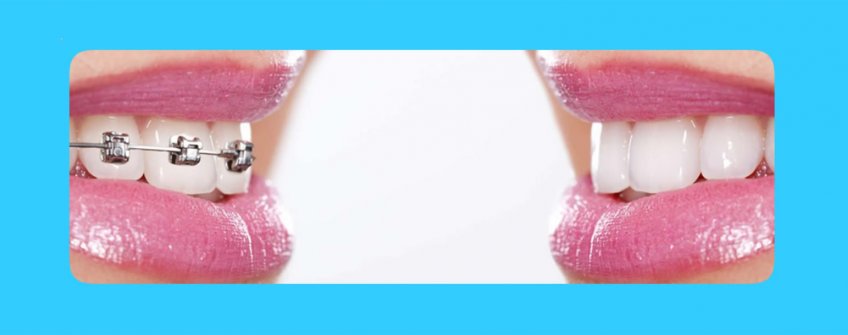
Orthodontic treatment is recommended once all the permanent teeth have come through. That is when work can begin to optimise relative jaw positioning and improve the position of individual teeth using a fixed appliance.
If the upper jaw (maxilla) is clearly underdeveloped, the relative position of the two jaws cannot be corrected by orthodontic treatment alone.
In that case the orthodontist and maxillofacial surgeon will work together. At present it is still preferred to normalise relative jaw positioning through surgery as an adult.
As soon as the relationship between the jaws (the “bite”) and the positions of individual teeth have been normalised, abnormal shapes and any missing teeth can be treated using crown and bridge work and implants.